


Storage
Store at room temperature in a hermetically sealed container, away from heat or moisture. No refrigeration needed.
Instructions
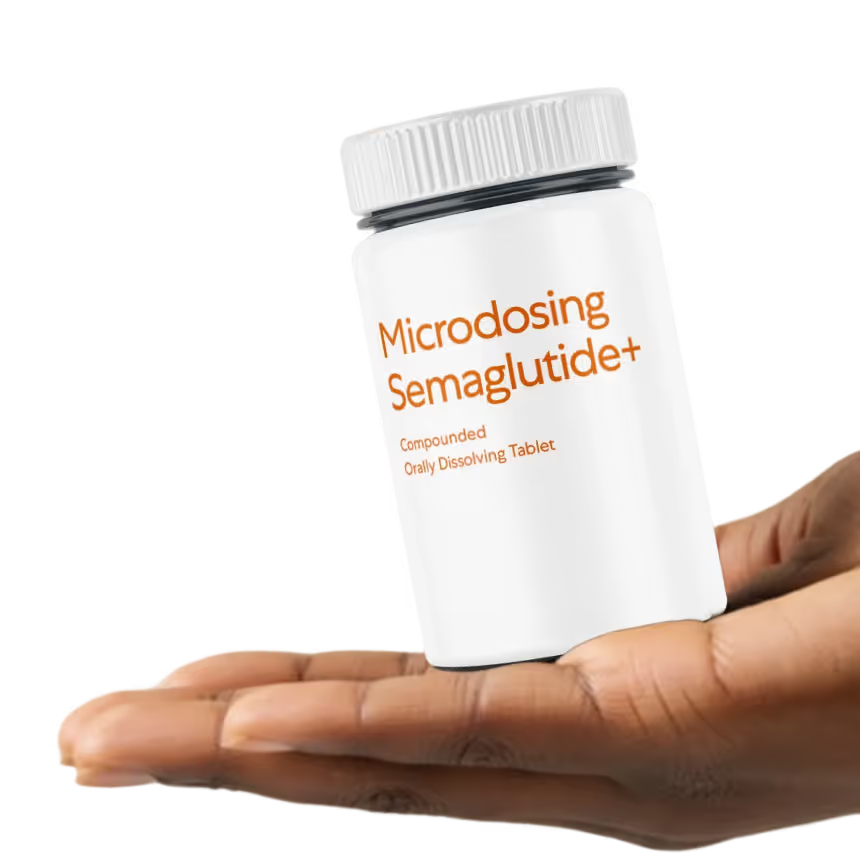
This information is intended for individuals who have been prescribed the Microdosing Compounded Semaglutide + Ondansetron Orally Dissolving Tablet by their Alan Health provider.
Please follow the usage instructions below carefully.
How to Take
- Remove one tablet from its packaging with dry hands.
- Place the tablet on the tongue and allow it to dissolve completely.
- Do not chew, crush, or swallow the tablet whole.
- Take on an empty stomach for optimal absorption.
- You may eat shortly after the tablet has dissolved.
- Take the medication at the same time every day.
- Contact your provider if you experience any side effects that are severe or do not improve.
Dosing: Your Alan Health provider has prescribed your protocol for Microdosing Compounded Semaglutide + Ondansetron Orally Dissolving Tablet. Please refer to your Alan Health Portal for personalized dosing instructions. If you have any medical questions, reach out via the Doctor Chat in your portal.
Providers may adjust dosing or timing to support tolerability and treatment adherence.
Understanding your insulin syringe
Measuring your dose
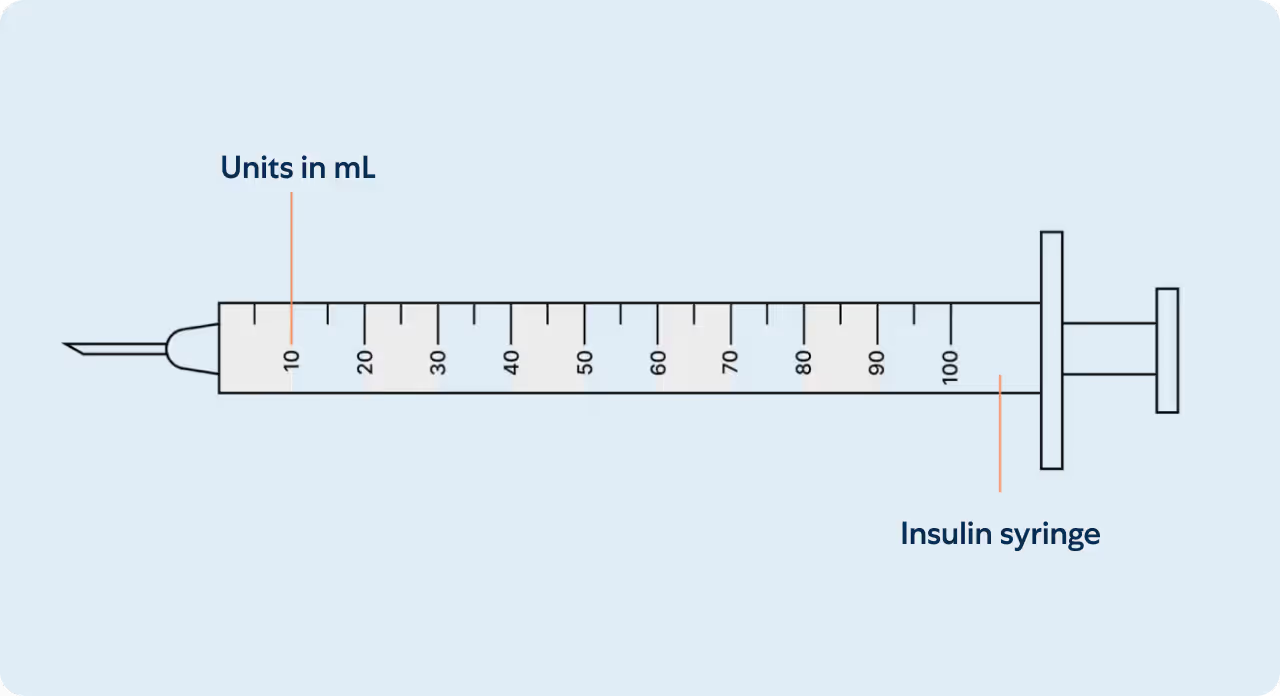
Insulin syringes are used for subcutaneous injections. They are marked in Units on the insulin syringe barrel (see illustration). Insulin syringes facilitate the precise measurement of tiny amounts of liquids which are ideal for medications such as insulin that require small and accurate dosing. Unit marks are also expressed in mL’s and can be interchangeably referenced. A prescriber may write a prescription in Units or in mL’s.
Within the amount of liquid is the prescribed mg dosage of your medication (see mg chart). Milligrams (mg) is not an amount of liquid, but rather the amount of drug that is within. The conversion between units and milligrams varies depending on the concentration of the product being used.
What can I expect?
Safety information
Patients should follow the same contraindications outlined in the GLP-1 protocol. This includes individuals with a personal or family history of medullary thyroid carcinoma or multiple endocrine neoplasia syndrome type 2. A provider will determine whether this medication is appropriate.
Do not take Microdosing Compounded Semaglutide + Ondansetron and consult your medical provider if you have used or are currently using the following medications:
- QTc Prolonging Agents
- Ziprasidone (Geodon)
Common side effects for patients using Microdosing Compounded Semaglutide + Ondansetron include nausea, vomiting, constipation, fatigue, headache, hair loss, dehydration. These symptoms typically improve as the body adjusts to treatment and with consistent daily use.
Less common or rare side effects for patients using Microdosing Compounded Semaglutide + Ondansetron include vision changes, pancreatitis, or progression of gallbladder disease. Patients should contact a healthcare provider immediately for severe, persistent, or concerning symptoms.
Disclaimer
These statements are intended for informational purposes and do not replace professional medical advice. Always consult your healthcare provider with any questions about semaglutide or your medical condition.
Note: The above statements have not been evaluated by the Food and Drug Administration. This product is not intended to diagnose, treat, cure, or prevent any disease.
Frequently Asked Questions
What is compounded medication?
Compounding is the process of creating a medication that’s tailored to the needs of an individual patient. For example, some patients may need a medication in liquid form when the FDA-approved drug comes in a tablet. Additionally, a pharmacy can compound medications of FDA-approved drugs that are listed on the FDA’s shortage list.
Compounded drugs are prepared by state-licensed compounding pharmacies that meet federal and state requirements, including quality standards. When compounding in compliance with federal and state law, compounded drugs are not subject to FDA approval and are not evaluated for safety or efficacy.
At Alan Health, your compounded semaglutide is made in FDA-registered 503B outsourcing facilities. These facilities meet strict federal and state requirements, follow rigorous quality and sterility standards, and are regularly inspected by the FDA. This ensures every dose is produced to the highest safety and consistency standards—while allowing for customizations that support your health and comfort.
What is semaglutide and how does it work?
Semaglutide is a GLP-1 receptor agonist that supports appetite regulation, glucose balance, and metabolic stability. In its microdose form, the goal is not active weight loss, but sustainable weight maintenance once a patient has achieved their target range.
Ondansetron is included to help reduce nausea, which can improve tolerance and day-to-day comfort.
How often do I take it?
Dissolve one tablet in the mouth daily, ideally on an empty stomach. Food may affect absorption, so it is best to take the tablet before eating.
How long does it take to see results?
This product is intended for weight maintenance rather than active weight loss. Most patients notice stabilization of appetite and weight within the first month of consistent use.
Can I take Semaglutide + Ondansetron with other medications?
Always check with your provider. Some diabetes, blood pressure or psychiatric medications may need adjustments when you start taking Semaglutide + Ondansetron.
Does the Microdose Semaglutide Orally Dissolving Tablet contain ondansetron, and are there heart rhythm (QT) concerns?
Yes. This compound contains a low dose of Ondansetron included to help reduce nausea. At this dose, the risk of QT interval prolongation is considered low for most patients. However, patients with known prolonged QT syndrome, a history of serious heart rhythm disorders, significant electrolyte abnormalities, or those taking other medications that may affect the QT interval should inform their clinician prior to use. A provider will then determine whether this treatment is appropriate.
Who should not use this product?
Patients should follow the same contraindications outlined in the GLP-1 protocol. This includes individuals with a personal or family history of medullary thyroid carcinoma or multiple endocrine neoplasia syndrome type 2. A provider will determine whether this medication is appropriate.
What’s the reason for adding Ondansetron?
Ondansetron is a well-established anti-nausea medication, which helps to improve treatment tolerability. Research has shown this can help patients mitigate side effects and stay consistent with their GLP-1 regimens.
Does adding Ondansetron make Semaglutide less effective?
Not at all. The semaglutide in your prescription is the same strength. The Ondansetron is simply there to help your body tolerate it better—it doesn’t weaken the medication or change how it works.
Additional support
For details about your medication and dosing, please log in to your patient portal. Your physician is here to help with any medical questions. If you are experiencing a medical emergency, call 911 right away.